Online vs. In-Person Restaurant Food Safety Training for Dallas, TX, Teams

November 19, 2026

Share this article

This guide compares online and in-person restaurant food safety training for restaurant teams in Dallas and nearby cities so you can pick the right format. Dallas restaurant owners and managers usually weigh four things: employee schedules, team size, learning preferences, and day-to-day operations. This guide walks through each one so you can choose with confidence.

Why the Format Matters

How you train your team shapes how well lessons stick. One new hire may do well with a short online course, while a whole kitchen often learns more from a hands-on class. Picking the right format saves managers time and helps staff remember what they learn.


Schedules usually decide the format first. Lunch and dinner rushes, split shifts, and weekend peaks leave narrow windows, so start by asking when each employee can realistically step away from the line.

When Online Training Fits

Online training suits tight or irregular schedules. Employees can complete it from home or between shifts, at their own pace. A basic food handler course can take about an hour and is completed online at the employee's own pace.


Online courses issue a printable certificate right away, which helps new hires get on the schedule quickly. They also work for team members who cannot make a fixed class time, and managers do not have to pull the whole crew off the line.

When In-Person Training Fits

In-person classes give staff room to ask questions, talk through problems, and practice. An instructor can answer real kitchen questions on the spot. Managers often prefer this format for deeper topics, such as inspections and food safety systems.


Group sessions also build teamwork. Everyone hears the same message at the same time, which helps the whole team follow the same rules afterward.

Private On-Site Training for Your Team

Some Dallas restaurants prefer to train on site. Private on-site classes can be customized for your menu and equipment, and the instructor can work through your own kitchen as the example.


Group size affects scheduling as much as format. Some providers set minimums, such as 15 participants for a food handler class and 10 for a ServSafe manager class, so confirm them before you plan group training.

How to Choose the Right Format

Use these questions to match the format to your team:


  1. How many people need training, and how soon?
  2. Do they work different shifts?
  3. Do they need a certificate, a refresher, or both?
  4. Do they learn better by reading or by talking it through?
  5. Is a private class worth the planning for your team size?


Small teams and new hires often start online, while larger crews and managers usually benefit from a live class. Many operators mix the two: online for line staff, in-person or private on-site for supervisors. Match the format to the people who will use it.

Building a Simple Training Calendar

A basic calendar keeps training from slipping. List each employee's start date and certificate expiration date. Set reminders for refreshers before the busy season. Review the plan each quarter with your managers.


A short yearly check can also help. Ask whether new menu items, equipment, or staff changes call for extra training. Small updates keep your team ready.

Language and Learning Needs

Many Dallas-area restaurant teams speak more than one language. Training works best when staff understand every lesson. Look for providers that offer English and Spanish.


Also think about reading level and comfort with computers. Some staff may do better in person. A good provider can help you match the format to the person.


Topics Every Restaurant Team Should Cover

No matter the format, the core topics stay the same. Look for training that covers:


  • Personal hygiene and handwashing.
  • Cleaning and sanitizing.
  • Safe food storage and temperature control.
  • Preventing cross-contamination.
  • Food allergies and other hazards.


Managers may need extra topics, such as inspections and record keeping.


Questions to Ask Any Training Provider

Before you book, ask a few questions. Consider these:


  • Is the course approved by the state?
  • What formats are available?
  • Is training offered in more than one language?
  • Do you offer help with inspections and audits?
  • What support is available after the class?


Clear answers help you compare options.


A Note for Dallas Restaurants

Dallas is a large, fast-growing metro, and restaurant openings and staff changes happen often across the area, whether you operate in Dallas, Plano, Richardson, Addison, Carrollton, Farmers Branch, Garland, or Irving. A simple training plan helps new hires start strong and keeps your team ready for inspections.


Plan refreshers during slower seasons, and keep restaurant food safety training on your yearly calendar. Short sessions help keep habits fresh.

Common Questions About Training Formats

  • Is Online Training Accepted by Employers?

    Employers generally accept certificates from approved courses. Check that the course is approved by the state. Keep a copy of each certificate on file.

  • Can We Mix Formats?

    Yes, many restaurants combine them. New hires may take an online course, while managers attend a class. A mix often fits real schedules best.

  • How Long Does Restaurant Food Safety Training Take?

    A basic online food handler course takes about an hour. In-person classes and manager courses run longer, so plan extra time for discussion and practice. Manager certification also includes an exam, so allow time for exam review before scheduling.

  • Do Employees Need Refresher Training?

    Yes, refreshers help staff keep safe habits and meet renewal dates. Review each employee's certificate expiration date, then schedule short sessions beforehand so your team stays current and inspection ready.

Plan Training With a Local Team

A+ Food Industry Inspections, Inc., based in Plano, TX, serves restaurants throughout Dallas and nearby communities, including Frisco, with online, in-person group, and private on-site restaurant food safety training. We offer classes in English and Spanish and can help with inspections and audits. You can read more about our in-person training.


Call 214-425-8154 or use our contact page to plan your training.


Recent Posts

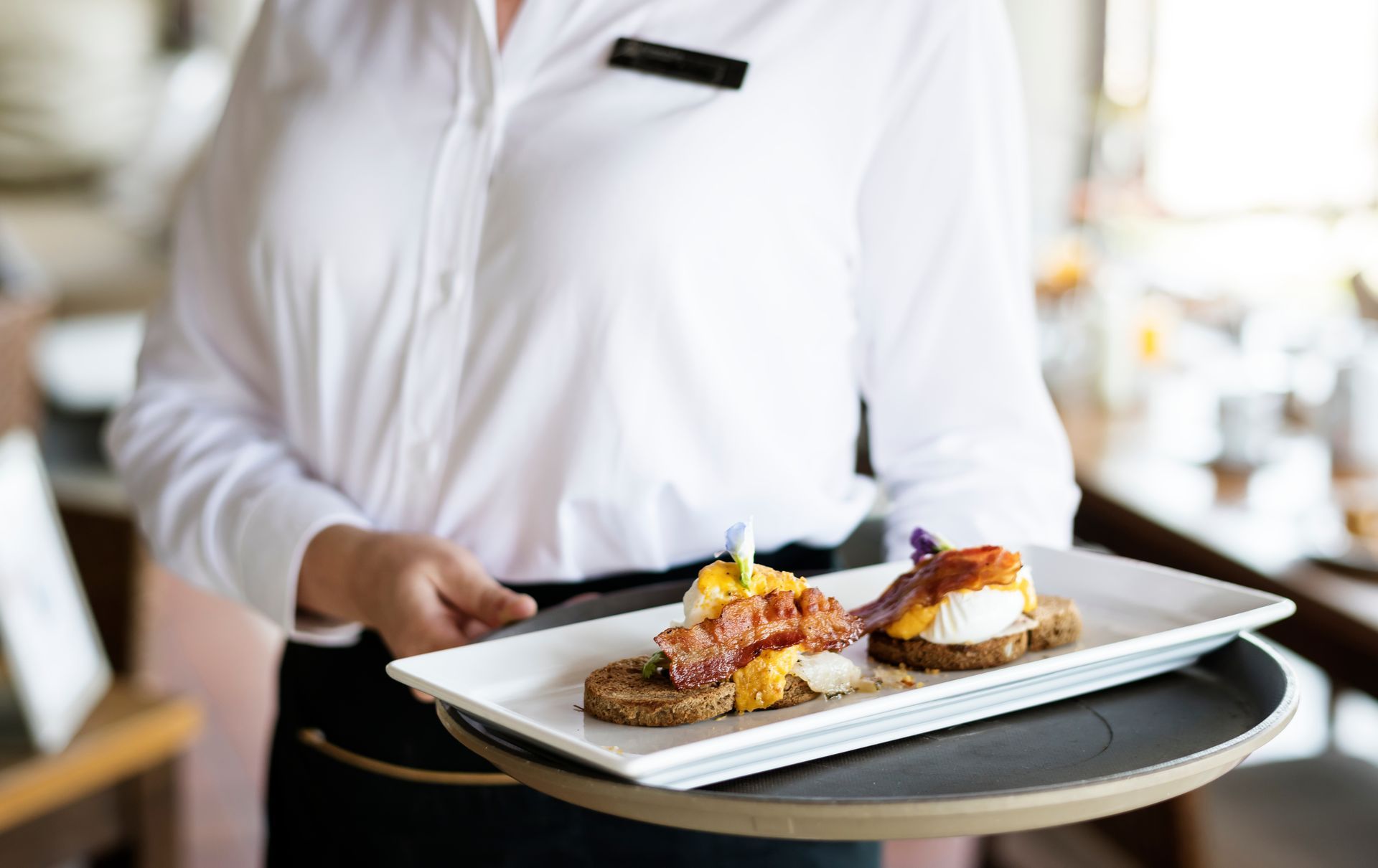
A restaurant server with a food handler certificate carrying a tray of breakfast.
November 19, 2026
Get your food handler certificate online in Dallas, TX, step by step. Clear guidance for new hires, managers, and restaurant owners from A+ Food Industry Inspections.
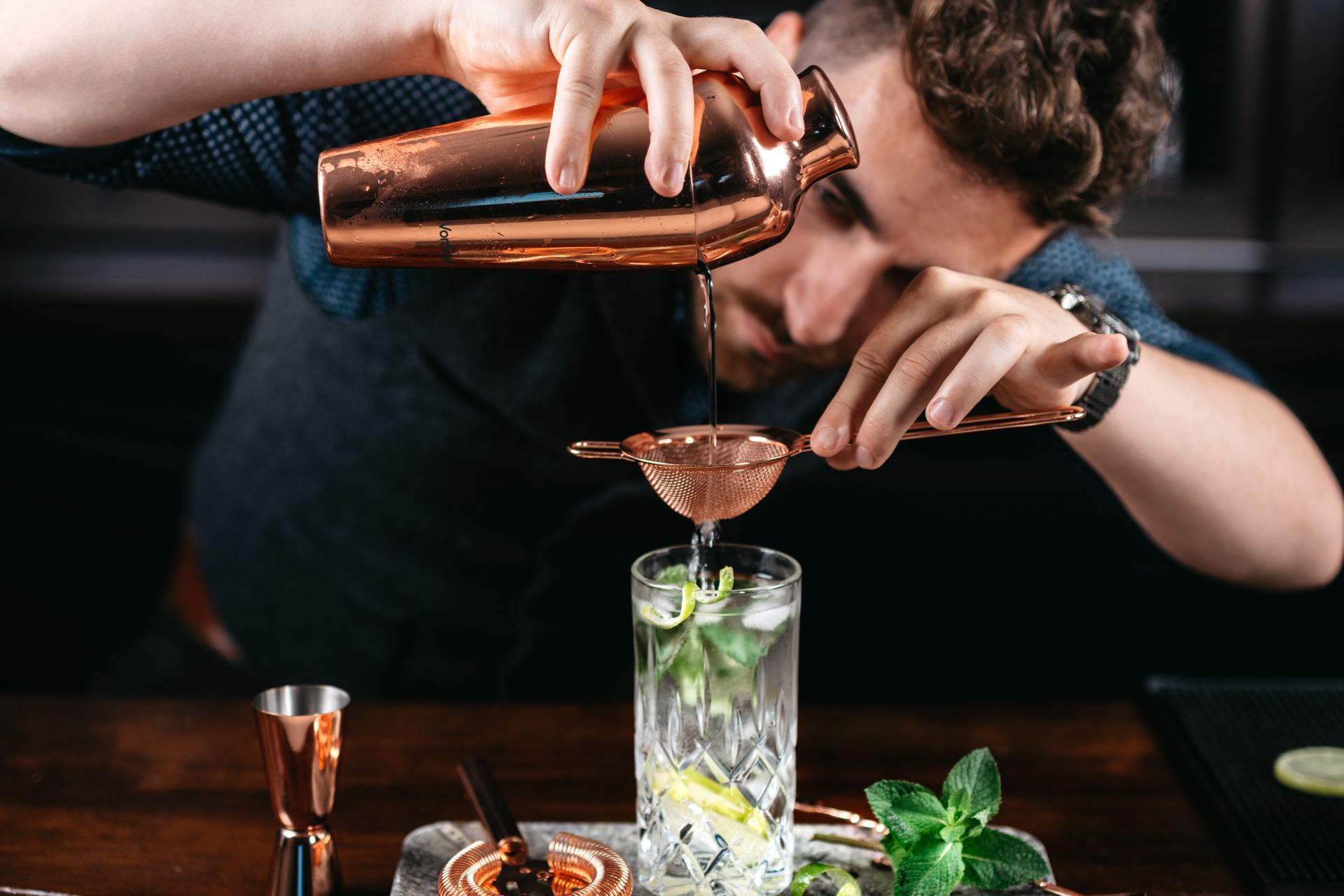
Bartender with TABC certification straining a mojito into a glass behind the bar
November 19, 2026
Learn who needs TABC certification in Dallas, TX, what Texas law requires, and why restaurant employers ask for it. A+ Food Industry Inspections explains. Get certified.

A gloved hand writes on a laboratory checklist beside scientific equipment on a workbench.
By Aritza Jarvis • November 17, 2026
Get expert restaurant food safety training serving Frisco, TX. A+ Food Industry Inspections, Inc. offers DSHS-approved courses in English & Spanish. Call today.
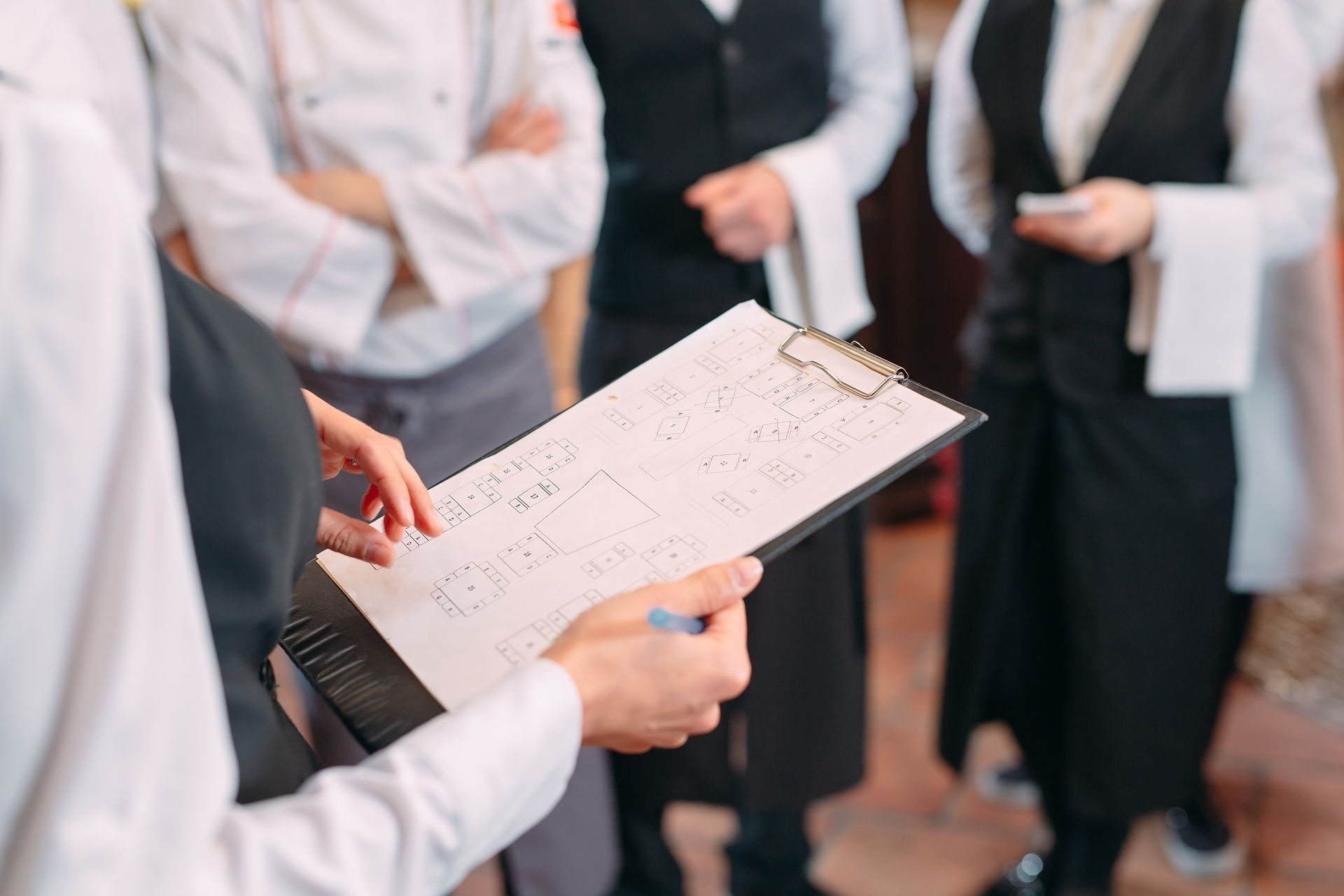
Person holding a clipboard during a meeting with others in white lab coats
September 4, 2026
Prepare before the city arrives. A+ Food Industry Inspections provides mock restaurant inspections and food safety audits in Plano, Frisco, and DFW.
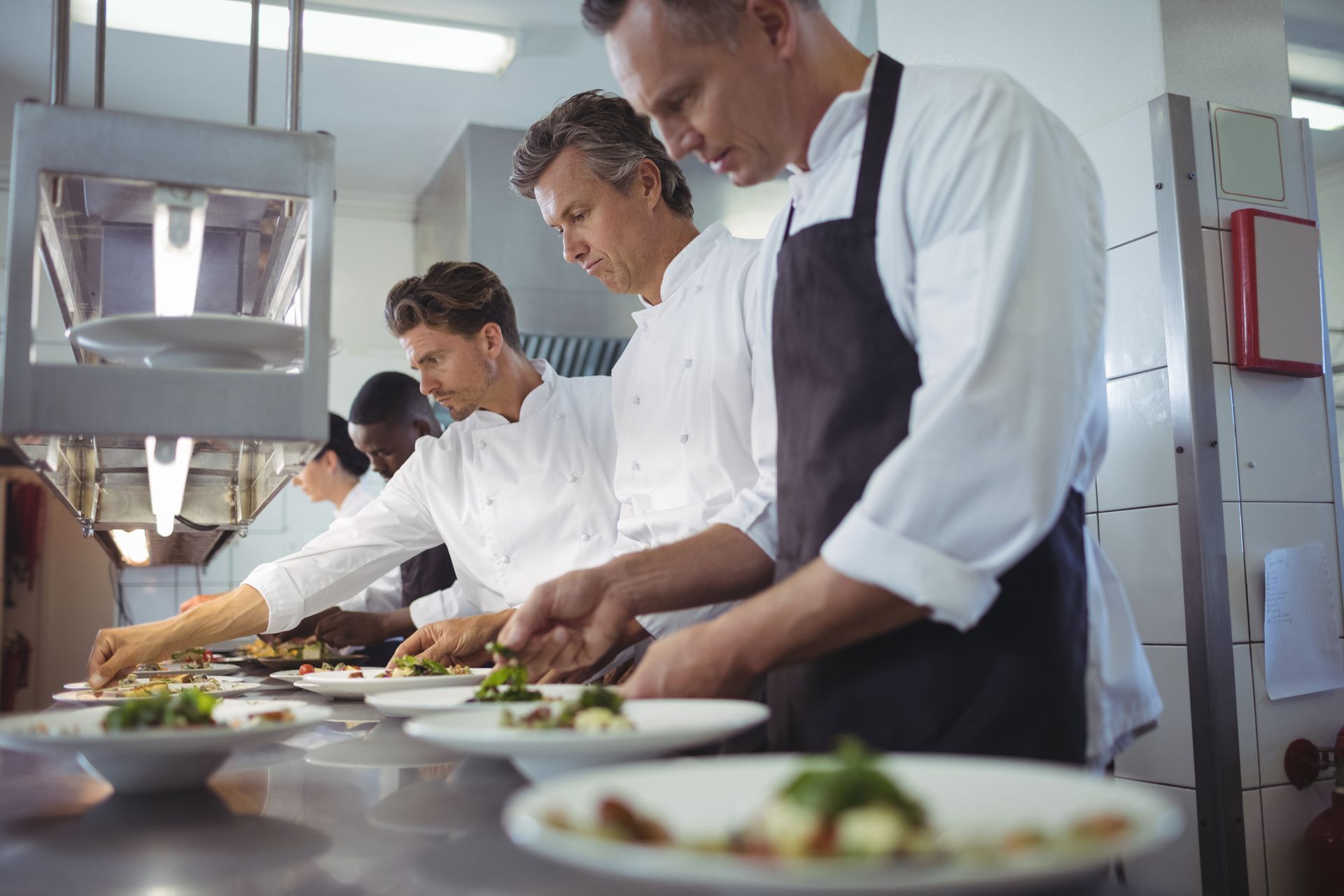
Chefs in a bright kitchen plating dishes on a counter line
August 17, 2026
Prepare before the city arrives with a mock restaurant inspection from A+ Food Industry Inspections. Serving Plano, Frisco, and the DFW Metroplex.
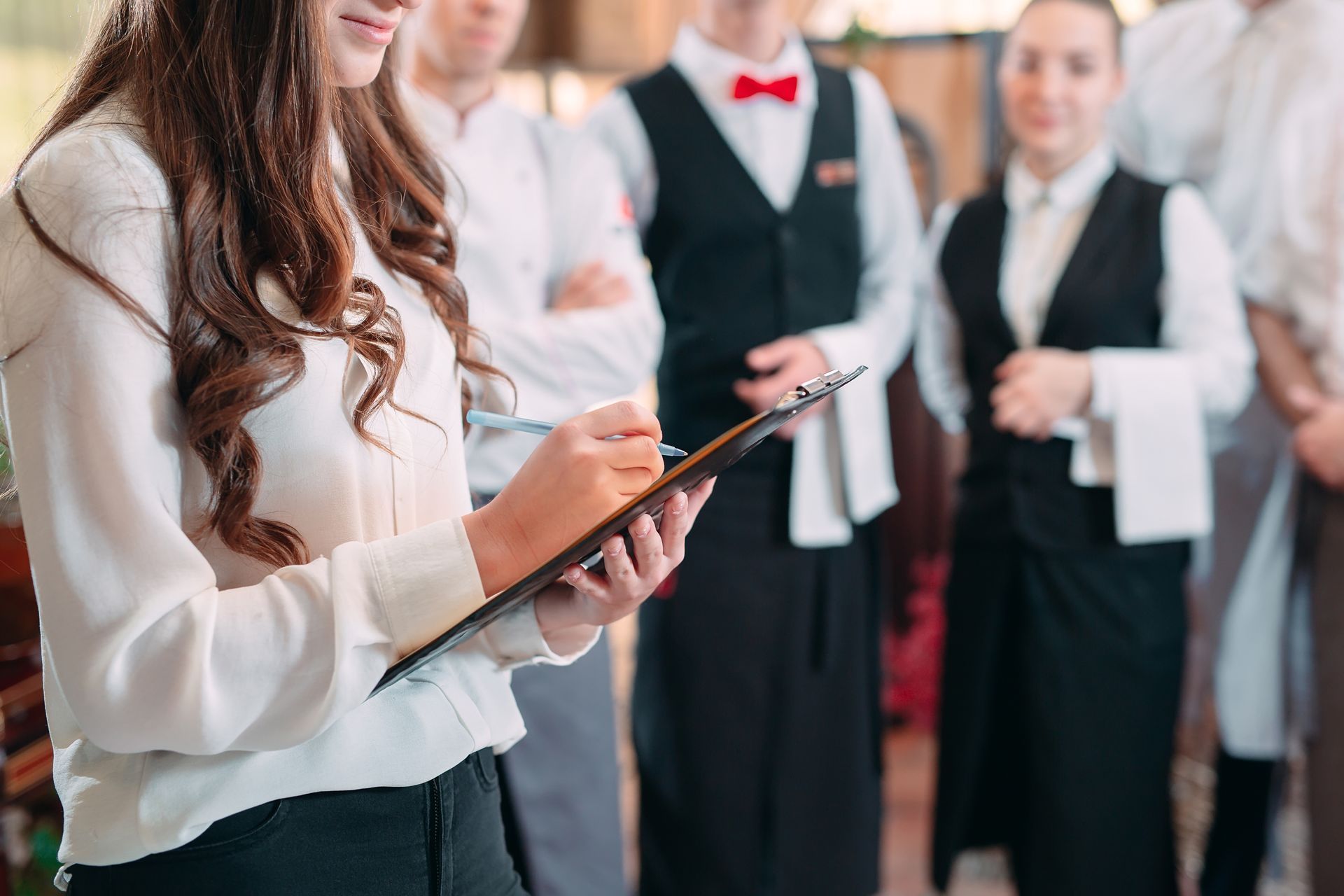
Woman taking notes at a formal indoor event while others stand in the background
August 17, 2026
Failed a restaurant inspection? A+ Food Industry Inspections helps restaurants in Plano, Frisco, and the DFW Metroplex correct issues and move forward.